TLDRResumen
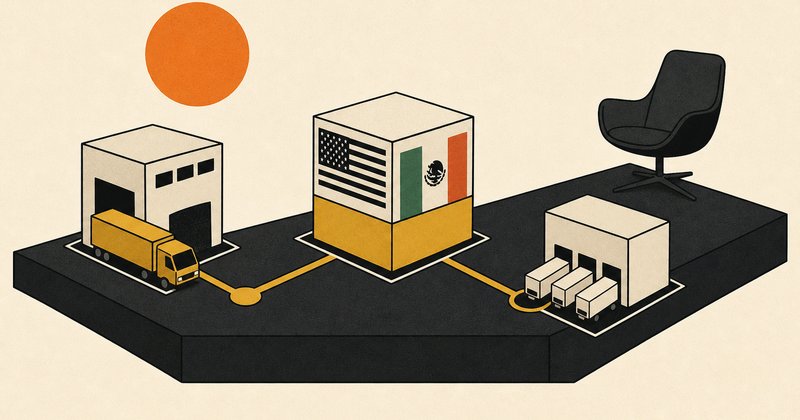
Nearshoring is not a trend. It is a structural realignment of global supply chains driven by geopolitical risk, rising Asian labor costs, and USMCA incentives. Mexico is the primary beneficiary, with record FDI, industrial real estate demand, and manufacturing employment growth.Los datos más recientes sobre nearshoring en México: flujos comerciales, patrones de IED, tendencias en bienes raíces industriales y qué sectores se mueven más rápido.
What Is Nearshoring?
Relocating business operations or supply chain activities to a geographically proximate country. For US companies, this typically means Mexico, Canada, or Central America.
The Drivers of Nearshoring
- US-China Trade Tensions: Tariffs of 25%+ on hundreds of billions of Chinese goods since 2018
- COVID-19 Supply Chain Disruptions: Exposed fragility of long, complex global supply chains
- Rising Chinese Labor Costs: Chinese manufacturing wages increased 5–8x since 2000
- USMCA Incentives: Preferential tariff treatment for goods manufactured in North America
- Inventory Strategy Shift: Just-in-time → just-in-case, requiring nearby suppliers
The Data
- Mexico surpassed China as the US's largest trading partner in 2023 (first time since 2002)
- FDI in Mexico reached $36.1B in 2023, a record high (Secretaría de Economía)
- Industrial real estate absorption in Mexico reached 8.5M sq meters in 2023, up 35% YoY
- Manufacturing employment in Mexico grew 4.2% in 2023
- Monterrey, Juárez, and Tijuana industrial vacancy rates fell below 1% in 2024
Sector Impact
Manufacturing: Automotive, electronics, aerospace, medical devices leading nearshoring. Tesla's $5B Monterrey gigafactory is the most prominent example.
Professional Services: IT services, BPO, and financial services nearshoring to Mexico's talent pool
Logistics: Driving demand for cross-border logistics, warehousing, and last-mile delivery
Implications for Businesses
For US companies: Mexico offers cost efficiency, USMCA access, and proximity
For Mexican companies: Nearshoring creates demand for suppliers, service providers, and infrastructure
For investors: Industrial real estate, logistics, fintech, and B2B services are highest-conviction themes
Key Takeaways
Key TakeawaysPuntos Clave
- Mexico surpassed China as the US's largest trading partner in 2023.
- Nearshoring is driven by trade tensions, COVID disruptions, rising Asian costs, and USMCA incentives.
- Industrial real estate, manufacturing employment, and FDI are all at record levels.
- Automotive, electronics, aerospace, and medical devices are leading nearshoring sectors.
- Mexican companies serving multinational manufacturers have significant growth opportunities.
Resumen
Los datos más recientes sobre nearshoring en México: flujos comerciales, patrones de IED, tendencias en bienes raíces industriales y qué sectores se mueven más rápido.
¿Qué es nearshoring??
Relocating business operations or cadena de suministro activities to a geographically proximate country. For US companies, this normalmente means México, Canadá, or Central America.
The Drivers of nearshoring
- US-China Trade Tensions: Tariffs of25%+ on hundreds of billions of Chinese goods since 2018
- COVID-19 cadena de suministro Disruptions: Exposed fragility of long, complex global cadenas de suministro
- Rising Chinese Labor Costs: Chinese manufacturing wages increased 5–8x since 2000
- USMCA Incentives: Preferential tariff treatment for goods manufactured in Norteamérica
- Inventory Strategy Shift: Just-in-time → just-in-case, requiring nearby suppliers
The Data
- México surpassed China as the US's largest trading partner in 2023 (first time since 2002)
- FDI en México reached $36.1B in 2023, a record high (Secretaría de Economía)
- Industrial real estate absorption en México reached 8.5M sq meters in 2023, up 35% YoY
- Manufacturing employment en México grew 4.2% in 2023
- Monterrey, Juárez, and Tijuana industrial vacancy rates fell below 1% in 2024
Sector Impact
Manufacturing: Automotive, electronics, aerospace, medical devices leading nearshoring. Tesla's $5B Monterrey gigafactory is the most prominent example.
Professional Services: IT services, BPO, and financiero services nearshoring to México's talent pool
Logistics: Driving demand for transfronterizo logistics, warehousing, and last-mile delivery
Implications for Businesses
Para US companies: México offers cost efficiency, USMCA access, and proximity
Para Mexican companies: nearshoring creates demand for suppliers, service providers, and infrastructure
Para inversionistas: Industrial real estate, logistics, fintech, and B2B services are highest-conviction themes
Puntos clave
Puntos Clave
- México surpassed China as the US's largest trading partner in 2023.
- nearshoring is driven by trade tensions, COVID disruptions, rising Asian costs, and USMCA incentives.
- Industrial real estate, manufacturing employment, and FDI are all at record levels.
- Automotive, electronics, aerospace, and medical devices are leading nearshoring sectors.
- Mexican companies serving multinational manufacturers have significativo growth opportunities.