
OpenAI splits its GPT-5.6 launch into three tiers (Sol, Terra, and Luna) behind a government-gated rollout. What the tiering means for pricing, procurement, and model-routing strategy.
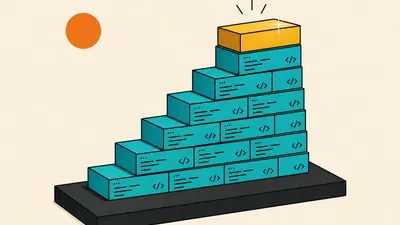
OpenAI began the broad rollout of its GPT-5.6 family on July 9, splitting the release into three models: Sol, the frontier tier built for complex coding, research, cybersecurity and computer-use work. Terra, a mid-tier model pitched at roughly GPT-5.5-level intelligence at half the cost. And Luna, the smallest and fastest of the trio. The family also introduces an "ultra" mode with a Max reasoning level and heavier use of sub-agents for long-horizon tasks.
The launch mechanics matter as much as the models. GPT-5.6 first shipped two weeks earlier as a locked-down preview to roughly 20 US-government-vetted organizations, and the public release followed only after the Commerce Department's Center for AI Standards and Innovation completed its review. Staged, government-gated frontier launches now look like the template rather than the exception, a shift with real implications for enterprise procurement timelines.
On performance, OpenAI reports a state-of-the-art 88.8% on Terminal-Bench 2.1 for Sol, rising to 91.9% in ultra mode. API pricing lands at $5/$30 per million tokens for Sol (flat versus GPT-5.5), $2.50/$15 for Terra, and $1/$6 for Luna.
My View on This
the tiering is a margin story. By holding flagship pricing flat while pushing most workloads toward Terra and Luna, OpenAI is defending share at the top of the market while competing aggressively on cost-per-task below it. For buyers, the practical question is no longer "which lab" but "which tier for which workflow", and that favours disciplined model-routing strategies over single-vendor commitments.
Sources
Filed under AI Advisory. Working session: Calendly.
Related Articles

Zuckerberg’s Case for Fair AI: Why The Future Is for Everyone Matters
Mark Zuckerberg’s The Future Is for Everyone stakes Meta’s AI philosophy on equality, personal empowerment, and broad access. Here is the short take, plus Meta’s latest AI moves since 2025: Scale AI, Manus, Play AI, and the OpenClaw / Peter Steinberger episode.

Kimi K3's Open-Weight Play: 2.8T Parameters Ship to Developers July 27
Moonshot AI will release full Kimi K3 weights on July 27, 2026. The largest open-weight frontier model yet, with hosted API access live today via Kimi Code and OpenRouter.
Kimi K3 Tops Arena Frontend Code, Passing Claude Fable 5 and GPT-5.6 Sol
Moonshot AI's Kimi K3 scored 1,679 on Arena.ai's Frontend Code leaderboard within hours of launch. A blind human-preference win that reframes the coding-model race.

Meta's Model API Changes Enterprise Procurement: What Buyers Should Ask
Meta's first paid frontier API forces a procurement reset. Pricing, data handling, model routing, and how Muse Spark 1.1 fits alongside existing OpenAI and Anthropic contracts.

Two Roads at the Frontier: Google Delays Gemini 3.5 Pro as Meta Ships Cut-Price Muse Spark 1.1
Google delays Gemini 3.5 Pro to rebuild its base model while Meta ships cut-price Muse Spark 1.1, two rational bets on where 2026 enterprise AI budgets actually go.